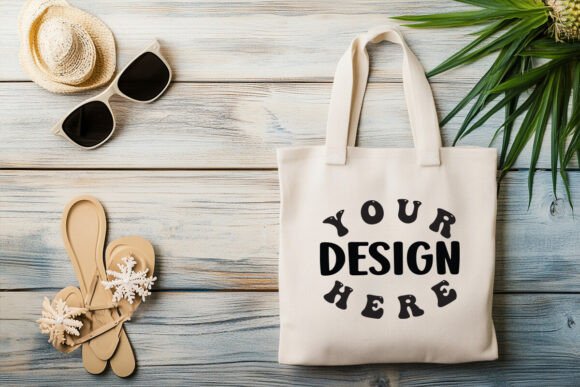
Beach Tote Bag Mockup: Graphics for Product Mockups
As a brand designer who has spent the last decade helping local artisans and boutique owners define their visual voice, I approach every new graphic design asset with a critical eye. It is not enough for an image to look pretty; it must serve a strategic purpose in small business branding. Recently, I evaluated the Beach Tote Bag Mockup for a potential project involving a coastal skincare line, and my findings offer valuable insights for anyone looking to elevate their product presentation.
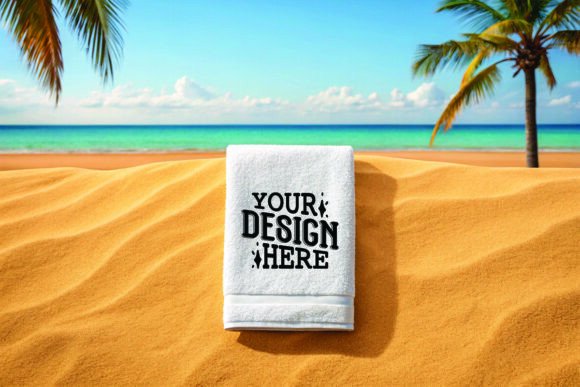
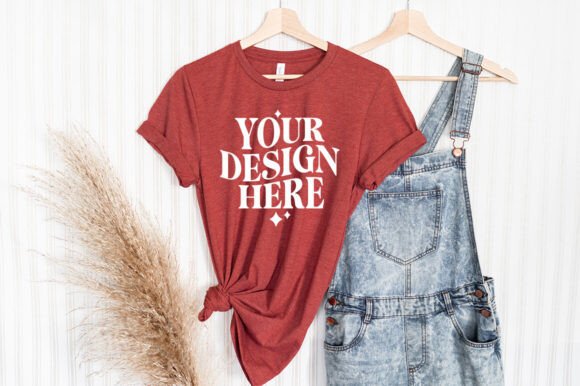
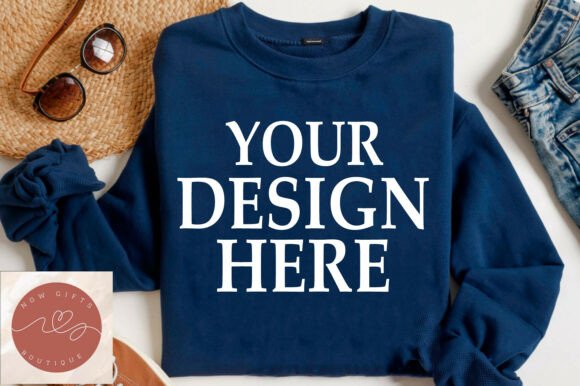
My first impression of this product mockup was one of relaxed authenticity. Unlike sterile, studio-lit images that feel distant, this asset captures the texture and drape of fabric in a way that suggests warmth and approachability. The mood it creates is distinctly organic and friendly, making it an ideal fit for handmade business ventures, summer pop-up shops, or lifestyle brands that want to convey a sense of leisure and quality. For a local business selling reusable bags, beachwear, or even artisanal soaps, this visual sets a tone that says "premium yet accessible."
Elevating Brand Identity Through Realistic Presentation
In the world of commercial design, context is everything. A logo on a white background tells only half the story. When I tested the Beach Tote Bag Mockup against various logo design concepts, the results were immediate. The way the graphic handles light and shadow adds depth to flat vector files, turning a simple SVG design or PNG design into a tangible object in the customer's mind. This is crucial for building professional branding that resonates with buyers.
Consider a scenario where a bakery is launching a summer line of picnic bundles. Using this mockup allows them to showcase their branded tote alongside their packaging design elements. It supports stronger first impressions by allowing customers to visualize the product in use. Whether you are creating social media graphics for Instagram or designing marketing visuals for a website banner, the realistic texture helps establish better product recognition. It creates a clearer visual hierarchy, ensuring that the brand mark stands out without competing with unnecessary background noise.
Strategic Applications for Local Entrepreneurs
The versatility of this asset extends far beyond simple display. For creative entrepreneurs and packaging designers, the Beach Tote Bag Mockup serves as a foundational element for a wide array of deliverables. Here is how I would deploy it in a real-world campaign:
- Product Labels: Visualizing how a label looks when printed on fabric rather than paper.
- Hang Tags and Thank-You Cards: Creating cohesive unboxing experiences by matching digital proofs to physical items.
- Seasonal Campaign Visuals: Perfect for summer sales, holiday gift guides, or travel-themed promotions.
- Social Media Content: Generating high-engagement posts that show products in a lifestyle setting.
- Printable Inserts: Demonstrating how care instructions or brand stories appear within the packaging.
By integrating this design asset into your workflow, you improve customer trust. When a client sees their brand identity applied to a realistic object, the abstract becomes concrete. This leads to more polished marketing visuals and, ultimately, stronger emotional connections with the target audience. It is particularly effective for boutique visuals where the aesthetic of the bag itself contributes to the perceived value of the contents.
Knowing When to Exercise Caution
While the Beach Tote Bag Mockup is a powerful tool, it is not a universal solution for every commercial license project. As a designer, I must advise caution in specific scenarios. If you are working on formal corporate branding for a law firm or a financial institution, the casual, textured vibe of a beach tote may undermine the seriousness of the message. Similarly, for luxury minimalist brands that rely on stark, clean lines, the natural folds and shadows of the fabric might introduce too much visual clutter.
Furthermore, be mindful of using this asset for very small labels or ingredient-heavy layouts. The curvature of the bag can distort text, making legal information or detailed nutritional facts difficult to read. In designs where decoration competes with important text, the mockup should be used sparingly or adjusted to ensure legibility. Low-contrast backgrounds within the image can also wash out certain brand colors, so always test your specific palette before finalizing the design.
Practical Notes from a Brand Designer
To get the most out of this graphic design asset, I recommend a rigorous testing process before presenting it to clients or using it for physical product sales. First, test it on real packaging design proofs to ensure the scale feels right. Check how your logo performs in black and white usage, as the shadows in the mockup can sometimes muddy monochromatic designs.
Preview the asset on small labels to confirm that details do not get lost in the fabric texture. It is also vital to test the mockup with various typography styles. See how your brand looks beside a serif font for elegance, a sans serif font for modernity, or a script font for a handmade feel. If the asset includes editable layers, inspect the SVG design or vector editability to ensure you can adjust colors to match your exact brand guidelines.
Finally, always compare your result with competitor packaging. Does this product mockup make your brand stand out on a crowded shelf or a busy social feed? Confirm the commercial license terms explicitly before using it for client work. Whether you are using it as a Canva template base or editing it in professional software, ensuring you have the rights for commercial design is non-negotiable.
In conclusion, the Beach Tote Bag Mockup is more than just a digital placeholder; it is a bridge between concept and reality. For local business owners and handmade sellers, it offers a cost-effective way to achieve high-end editorial design quality. By understanding its mood, applying it strategically, and respecting its limitations, you can transform a simple image into a compelling narrative that drives sales and builds a lasting brand identity. Whether for web design, printable design, or large-scale advertising, this tool remains a staple in the modern designer's toolkit.